
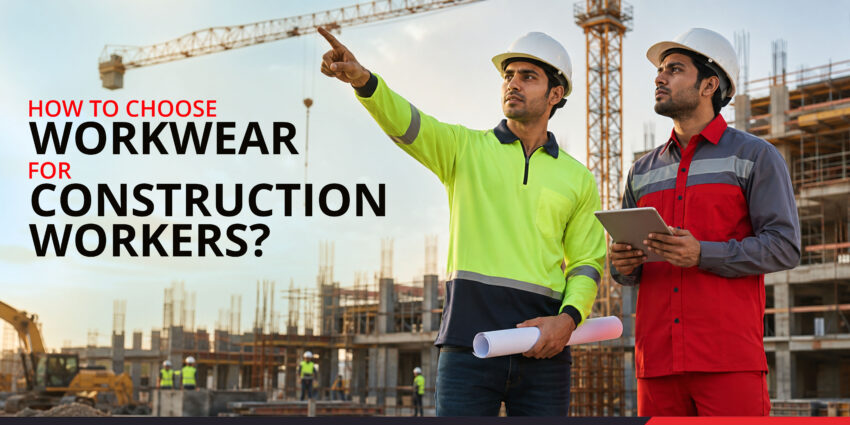
Construction sites are not like regular workplaces.
Workers may spend long hours outdoors, move between different areas of the site, work around machinery or carry out tasks that require constant movement. The conditions can also change depending on the project, weather and nature of the work.
That is why choosing construction workwear is about more than selecting a standard uniform.
The right workwear needs to suit the job, the working environment and the people wearing it. For businesses managing construction teams, understanding these requirements before placing an order can help them make a more informed choice.
So, what should businesses consider when choosing workwear for construction workers?
What Should Construction Workwear Be Designed For?
Construction workwear needs to support people throughout their working day.
Depending on the role and site conditions, workers may need to bend, stretch, walk long distances, handle equipment or work in different environments. Their workwear should take these everyday activities into account.
When choosing construction workwear, businesses should consider:
- The type of work being carried out
- The working environment
- Daily movement and physical activity
- Weather conditions
- Visibility requirements
- Compatibility with PPE
- The specific needs of different job roles
There is no single workwear option that suits every construction worker. The right choice depends on how and where the work is being done.
Why Does the Type of Construction Work Matter?
Different people on a construction site do different jobs.
A site supervisor may have different workwear requirements from a machine operator. Similarly, electrical teams or welding professionals may require workwear based on the nature of the tasks they perform.
Construction teams can include:
- Site supervisors
- Engineers
- General workers
- Machine operators
- Electrical teams
- Welding teams
This is why businesses should first understand the requirements of each role instead of choosing the same garment for everyone.
For some teams, visibility and easy movement may be important. For others, the focus may be on the type of protection required for the work being carried out.
Understanding the job is often the first step towards choosing the right workwear.
Which Fabric Is Suitable for Construction Workwear?
Fabric plays an important role in how construction workwear performs throughout the day.
Workers may wear the same garments for long hours, often while moving between different tasks and conditions. The fabric should therefore be selected based on the working environment and the nature of the job.
Businesses may consider factors such as:
- Comfort during long working hours
- Breathability
- Strength for regular use
- Ease of maintenance
- Suitability for the working environment
The right fabric is not always the same for every construction project. Outdoor work, industrial environments and specialised activities can all have different requirements.
Instead of choosing fabric based only on appearance, businesses should consider how the garment will actually be used.
Why Do Fit and Movement Matter for Construction Workers?
Construction work often involves movement.
Workers may need to bend, stretch, climb, reach or carry equipment during the day. Workwear that does not fit properly can make these everyday tasks uncomfortable.
A well-designed fit should allow people to move comfortably while carrying out their work.
Before finalising construction uniforms, businesses should consider:
- Ease of movement
- Comfort during long working hours
- Appropriate sizing
- The type of tasks being performed
- How the garment works with other safety equipment
Fit is particularly important when ordering workwear in bulk. A garment may look right during the design stage but still need to be assessed based on how it feels and performs when worn.
This is why sampling can be an important part of the selection process.
How Does Visibility Affect Construction Workwear?
Visibility can be an important consideration on construction sites, especially in areas where workers operate around vehicles, machinery or moving equipment.
Depending on the work environment, businesses may need to consider garments with appropriate high-visibility elements.
However, visibility requirements can vary depending on the site and the nature of the work.
When choosing workwear, businesses should consider:
- Where the work is being carried out
- Lighting conditions
- Proximity to vehicles and machinery
- Site-specific requirements
- The role of the worker
High-visibility details should be considered as part of the overall workwear requirement rather than simply as a design feature.
When Should Workwear Be Compatible With PPE?
Construction workers may need to wear different types of personal protective equipment depending on their role and work environment.
This can include helmets, gloves, safety footwear, eye protection and other equipment.
Workwear should work alongside this equipment without creating unnecessary discomfort or restricting movement.
For example, the fit and design of a garment can affect how comfortably other protective equipment is worn during the day.
This makes PPE-compatible workwear important to support everyday operations, particularly when teams regularly use multiple types of protective equipment.
Businesses should consider PPE requirements while selecting workwear rather than treating them as two completely separate decisions.
When Are Flame Resistant, Fire Retardant and Arc Protection Workwear Required?
Not every construction role has the same level of exposure to heat, flames or electrical hazards.
For certain tasks and environments, businesses may need to consider specialised protective workwear based on the risks involved.
It is also important to understand that flame resistant, fire retardant and arc protection workwear are not the same thing.
Each is designed for specific requirements and should be selected based on the nature of the work and relevant safety needs.
Businesses should avoid choosing specialised workwear based only on the name of the garment. Understanding the actual work environment and potential exposure is essential before making a decision.
For a detailed explanation, read our guide on Flame Resistant, Fire Retardant & Arc Protection Workwear: Understanding the Difference.
What Should Businesses Check Before Ordering Construction Workwear in Bulk?
A bulk workwear order involves more than deciding on a design.
Before placing an order, businesses should have clarity on the requirements of their teams and the conditions in which the garments will be used.
Some important points to consider include:
- Different job roles and their requirements
- Working conditions
- Fabric selection
- Fit and sizing
- Visibility needs
- PPE compatibility
- Specialised protection requirements
- Branding and design
- Quantity requirements
It is also important to review a sample before moving into bulk production.
This gives businesses an opportunity to assess the fabric, fit, design and overall suitability of the garment for the people who will be wearing it.
Why Can Customised Workwear Work Better for Construction Teams?
Construction teams are rarely made up of people doing the same job in the same environment.
Different roles can have different requirements, and a standard garment may not always address them effectively.
Customised workwear gives businesses the opportunity to consider factors such as:
- Job roles
- Workplace conditions
- Fabric requirements
- Functionality
- Visibility
- Branding
- PPE compatibility
At Brij, customised industrial workwear is developed around the requirements of the workplace and the people wearing it. From fabric and fit to functionality and branding, the focus is on creating workwear that works for the job.
Choosing Construction Workwear Starts With Understanding the Job
The right construction workwear does not begin with choosing a colour or adding a logo.
It begins with understanding the people wearing it and the work they need to do.
By considering job roles, site conditions, movement, fabric, visibility and PPE requirements, businesses can make better decisions when selecting workwear for their teams.
Because construction workers have a job to do.
Their workwear should be designed to support them while they do it.